Hybrid mattresses combine an innerspring coil support system with comfort layers made from materials such as foam, latex, or other cushioning fibers. This construction is intended to balance responsive support with pressure relief and airflow. Understanding the layers, firmness, and materials can help people compare bedding options for different sleep preferences.
The Naturepedic Azure Hybrid Organic Mattress brings organic mattress materials together with a hybrid structure. Its combination of a supportive coil core and cushioning layers is designed to provide comfort while maintaining a stable sleep surface. Material composition is especially relevant for people who prioritize organic bedding or are comparing options for a nursery.
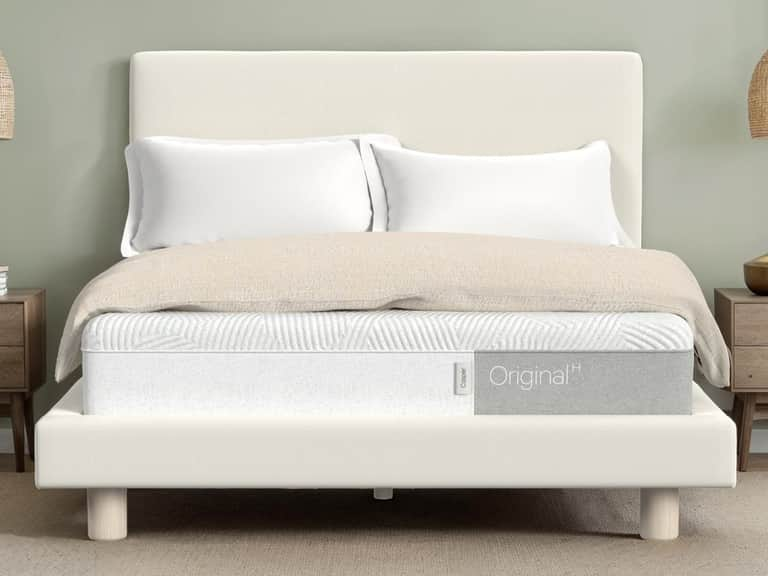
The Original Hybrid Mattress pairs a coil-based foundation with upper comfort layers to create a balance of support and cushioning. Coils can respond to movement and promote ventilation, while the surface layers help soften contact points. These characteristics may suit sleepers seeking a mattress that feels more buoyant than an all-foam design.
Dream is another hybrid mattress option, with its layered construction intended to combine underlying support and surface comfort. When assessing this model, factors such as firmness, material type, and how the mattress responds to movement can help clarify its suitability. Latex, where used in bedding, is valued for its resilient, responsive feel.
Hybrid mattress performance depends on the design of the coil system and the materials above it, so construction details are useful for comparing comfort and support. Sleepers may also consider compatible pillows, body alignment, and temperature preferences. For households evaluating organic mattresses or nursery bedding, material information and intended use are important considerations.
 Mattresses
