Air purifiers help reduce airborne particles in indoor spaces, supporting cleaner air in bedrooms and other frequently used rooms. Their relevance extends to environments with bedding, pillows, and organic mattresses, where dust and other particles may accumulate. Understanding room coverage, filtration, and regular maintenance can help clarify how an air purifier fits into a home’s air-quality needs.
The Bedroom Machine is an air-purification unit intended for bedroom use. Its function is to draw room air through a filtration system and return filtered air to the space, helping capture airborne particles. Placement, room size, and operating conditions affect performance, so these factors are important when considering an air purifier for a sleeping area.
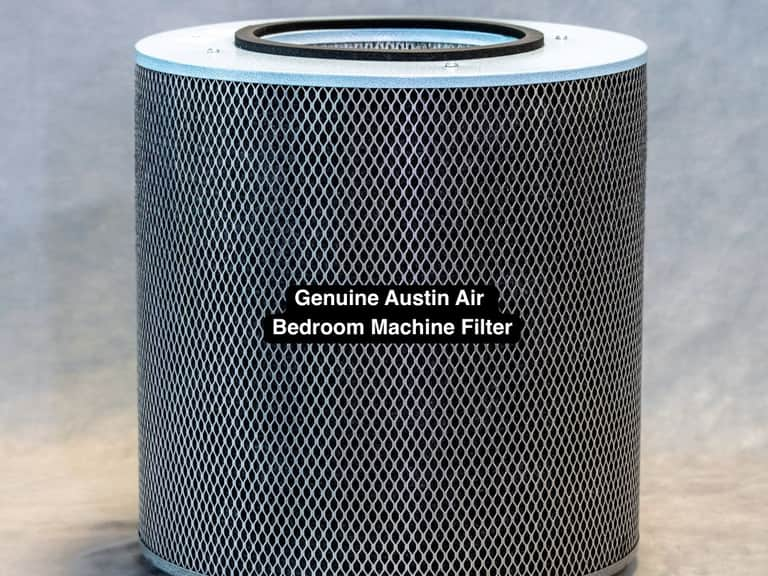
The Bedroom Machine Filter is the replacement filter associated with the Bedroom Machine. Filters capture particles as air passes through the unit, and replacement at appropriate intervals helps maintain airflow and filtration function. Filter condition, usage, and indoor air conditions can affect replacement timing; following product guidance supports consistent operation in bedrooms and nursery settings.
Air quality is one consideration in a restful sleeping environment, alongside ventilation, cleaning, and care of bedding and pillows. An air purifier does not replace washing linens or reducing dust sources, but it can complement those practices by filtering particles suspended in room air. This may be relevant in spaces containing latex or organic mattresses.
When evaluating air purifiers for bedroom or nursery use, consider noise, placement, filter maintenance, and compatibility between the unit and its replacement filter. The Bedroom Machine and Bedroom Machine Filter represent the purifier-and-filter relationship: the machine circulates air, while the filter captures particles. These characteristics help explain their roles in indoor air-quality routines.
 Air Purifiers