Crib mattresses provide a dedicated, age-appropriate sleep surface for infants, designed to support safe and comfortable naps and nighttime rest. These mattresses emphasize firmness, stability, and edge support to minimize the risk of suffocation or rollover. Understanding construction materials helps caregivers assess suitability for newborns and growing babies within the nursery environment.
Key features to consider include non-toxic coverings, waterproof or wipe-clean surfaces, and certified organic materials that reduce exposure to potentially harmful substances. Many crib mattresses also incorporate reinforced seams and a flat, even surface to promote proper spinal alignment and reduce the chance of indentations that could affect sleep quality.
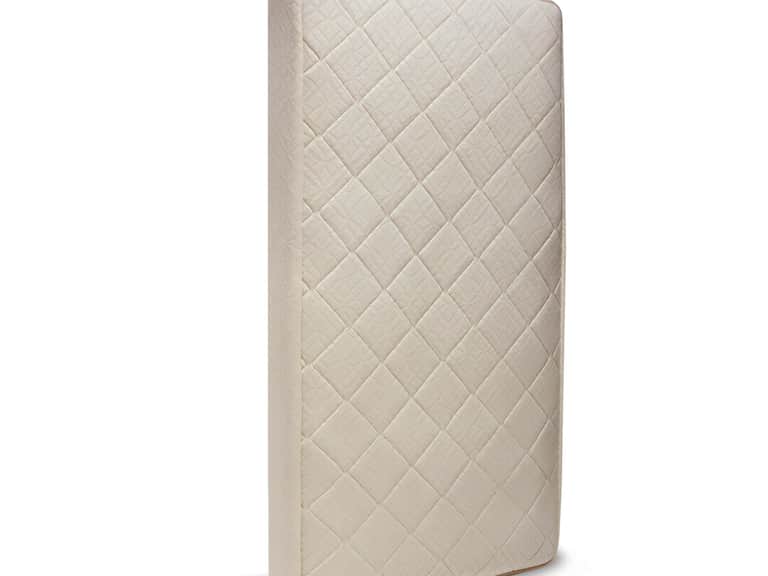
In the context of nursery safety and comfort, the Naturepedic Ultra Breathable 2-Stage Organic Crib Mattress exemplifies dual-stage use—initially firm for newborns, with a softer, breathable transition layer as babies mature. This design supports evolving sleep needs while maintaining a consistent, safe sleeping environment that aligns with best practices for infant care.
Breathability is a central consideration, as increased air flow can help regulate temperature and reduce moisture buildup. A breathable crib mattress typically features a breathable barrier or lattice structure and materials chosen for low heat retention, which contributes to a cooler, more comfortable sleep surface for infants during various sleep cycles.
When evaluating mattresses for nursery use, factors like allergen resistance, durability, and ease of cleaning matter alongside organic and latex options. Integrating such mattresses with compatible bedding and pillows within the broader bedding and nursery ecosystem supports healthy sleep hygiene and reduces exposure to irritants for sensitive infants.
 Nursery